Discover the Lake
Lake Skadar Birdwatching Guide: 280+ Species, Best Tours and Timing
Lake Skadar holds more than 280 recorded bird species, including the critically endangered Dalmatian pelican, Europe's largest freshwater bird. The best birdwatching is from a small boat, at any time of day, between March and October. The birds are in the reed channels that line the river and the open lake. Reeds block the view from shore, so the water is where the birds are. On a single tour in spring you can reasonably expect to see 30 to 50 species.
Chat on WhatsApp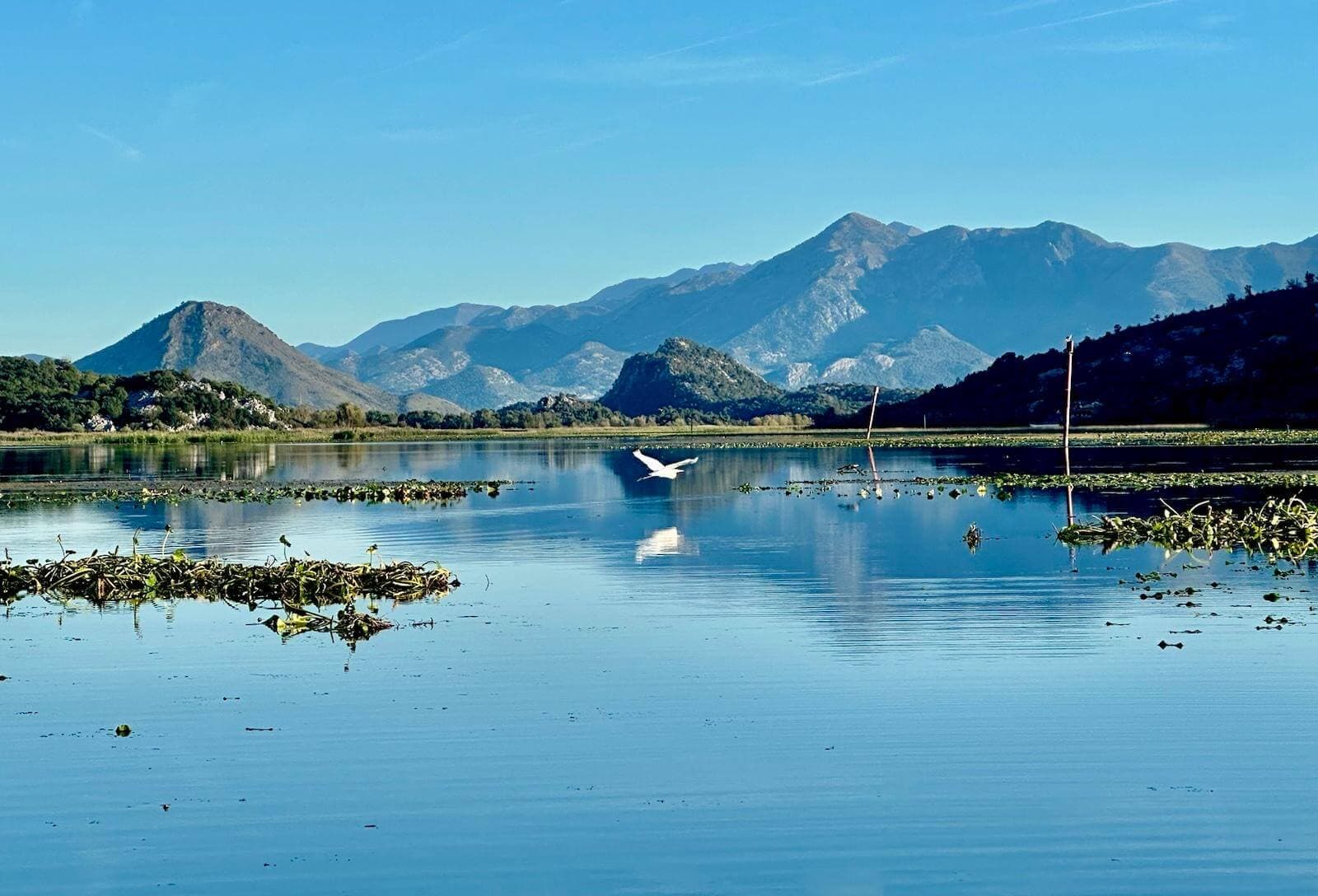
Bird species
280+ recorded
Flagship species
Dalmatian pelican
Pelican wingspan
Near 3 m
Best season
Mar–May, Sep–Oct
Best time of day
Any time of day
How to view
By boat
Park entrance fee
€5 per person
Protection
Ramsar wetland, IBA
This guide covers the birds you will meet, when to come, how to photograph them, and the rules that keep the colonies safe.
Why Lake Skadar Is a Top Bird Site
Lake Skadar is one of the richest bird wetlands in the Mediterranean basin. The reason is the water. The lake rises and falls with the seasons, flooding reed forests and meadows in winter and exposing shallow feeding grounds in summer. That changing edge feeds fish, and fish feed birds.
The lake joined the Ramsar list of internationally important wetlands in 1996, and BirdLife International lists it as an Important Bird Area. These protections, with enforced nesting buffers, are why the colonies still thrive when so many European wetlands have been drained. The deeper story of the park is in the Skadar Lake National Park guide.
Montenegro also sits on a migration route between Africa and northern Europe. Birds stop here to rest and feed in spring and autumn. Some stay to breed, others pass through, which is why the species list keeps growing.
Star Species: The Birds You Will Actually See
These are the birds you can expect on a typical tour, with where and when to look for each.
Each of these has its own page with the months it is actually recorded on the lake, drawn from published sightings data — see the Lake Skadar bird species guide.
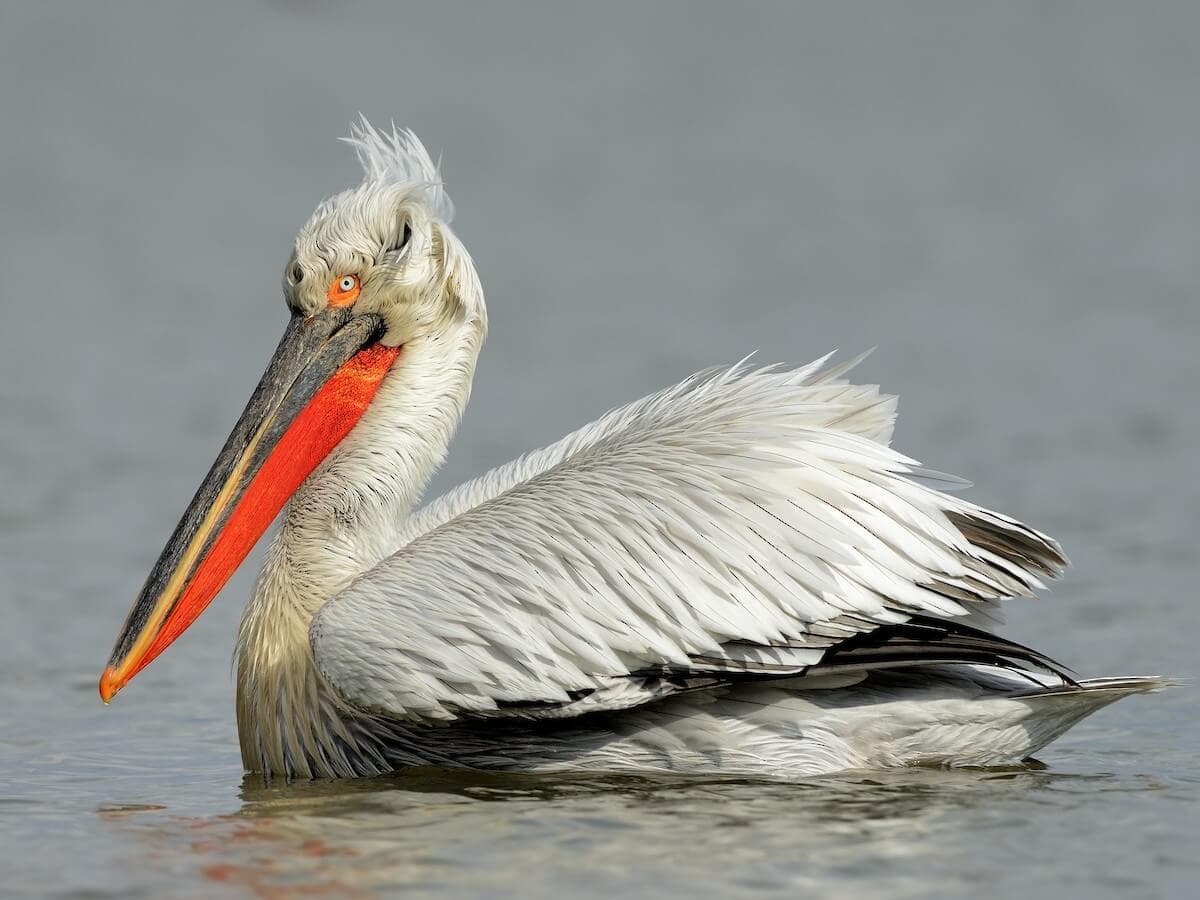
Dalmatian pelican
The Dalmatian pelican is why most birdwatchers come. Its wingspan reaches close to three metres, the largest of any freshwater bird in Europe. You can tell it from other pelicans by the curly nape feathers and the silver-grey bill. In the breeding season the bill develops an orange-red pouch.
The species is globally threatened, with only around 1,400 breeding pairs left in Europe. Lake Skadar holds one of the most important colonies. The birds nest on floating reed platforms from March to August. A 200-metre buffer is enforced around the nests, marked by buoys in season. Cross it and the adults may abandon their eggs, so the distance is not negotiable.
Captain Dusko knows the channels that bring you within view of the colony while staying outside the buffer. In 15 years on this lake, he has learned where the pelicans fish through the day. That is where you watch them feed in coordinated groups. The pelican channels and reed-lined waterways are only reachable by boat, and the 3 Rivers & Lake Unforgettable Jungle from Rijeka Crnojevica takes you into the prime feeding channels.
Heron family
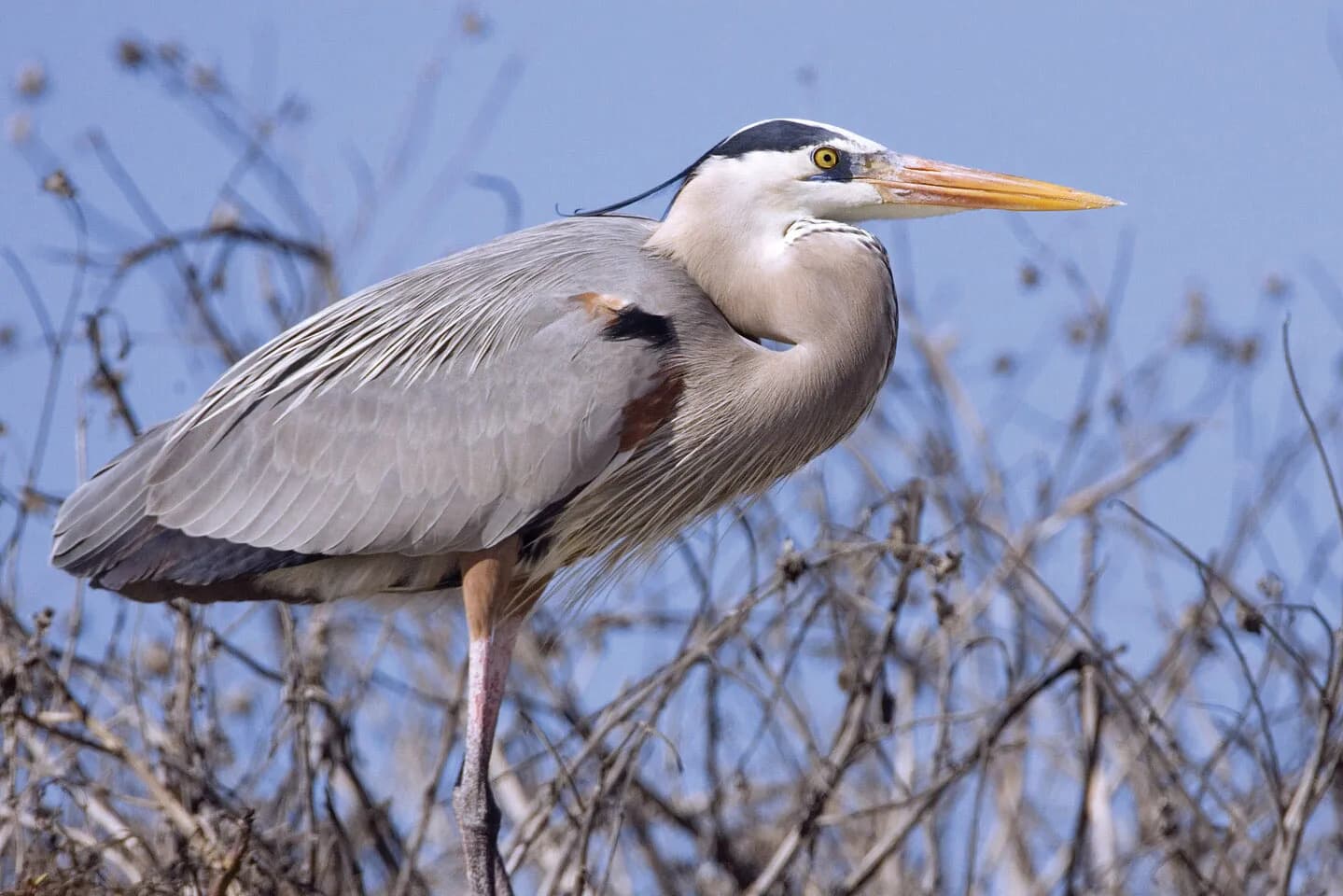
Five heron species share the lake, each with its own habitat.
- Purple heron: Chestnut neck with black stripes. Hunts deep in the reeds where others cannot reach.
- Grey heron: The largest and most common. Stands still in the shallows and is unbothered by boats.
- Squacco heron: Buff and brown at rest, but flashes white wings in flight.
- Great and little egret: Both white. The great egret is larger with a yellow bill; the little egret has a black bill and yellow feet.
- Night heron: Stocky, grey-backed, black-crowned. Active at dawn and dusk, roosting in willows by day.
Pygmy cormorant and diving birds
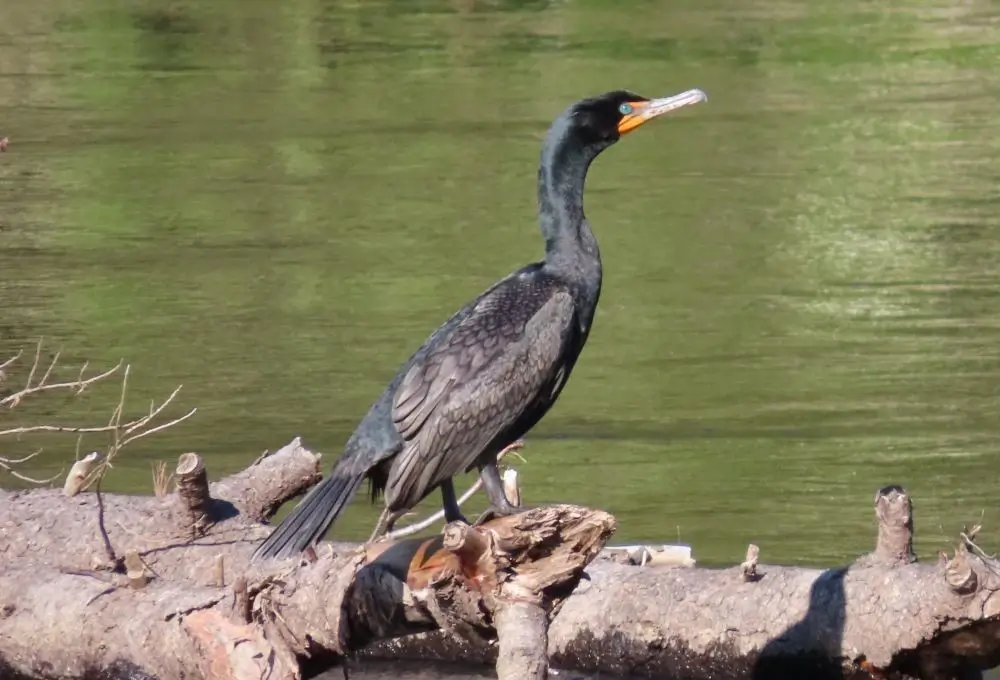
The pygmy cormorant is a Skadar speciality, a small, short-tailed cormorant that perches on low branches and dives in the shallows. The larger great cormorant also lives here, preferring deeper water. After fishing, both spread their wings to dry, since their feathers are not fully waterproof.
The near-threatened ferruginous duck is another highlight, a rich chestnut diving duck that Lake Skadar supports in one of Europe's larger populations. Look for it in quiet bays away from the channels. The great crested grebe, with its striking breeding plumage, rounds out the regular divers.
Terns and winter waterfowl
In summer, whiskered terns nest over the floating vegetation and dive constantly to feed their chicks. In winter, the open water fills with great rafts of coots and ducks, sometimes thousands at once. Each season shows a different lake.
Best Times for Birdwatching
Timing decides what you see. Two things matter: the season and the hour.
Seasonal calendar
| Period | What to expect |
|---|---|
| March to May | Spring migration. Peak diversity. Herons return, pelican chicks hatch. |
| June to August | Active breeding colonies. Whiskered terns nest. Shaded reed channels keep it comfortable in the heat. |
| September to October | Autumn migration. New waders pass through daily. Comfortable weather. |
| November to February | Huge waterfowl flocks. Rafts of coots and ducks. Fewer boats, calmer birds. |
Spring and autumn give the most species. For a full month-by-month view of weather and conditions, see the best time to visit guide.
Time of day
Any time of day works. The birds are on the water from early morning through to evening, and Captain Dusko knows where they are feeding at each hour. Early morning gives calm water, soft light and mist on the channels. Midday is brighter and warmer, so the boat works the shaded reed channels where the herons sit out the heat. The evening hours cool again and the birds feed actively before dusk. Pick the time that suits your day and Captain Dusko will plan the route around it.
Why You Need a Boat
The reeds that make the lake so rich also hide the birds. From the shore you see a wall of vegetation. From a small boat you slip into the channels where the herons hunt and the pelicans feed.
A private boat also lets you stop, drift and wait, which is how you actually watch wildlife. Captain Dusko cuts the engine near feeding birds so the boat does not push them off. The 1.5-hour 3 Rivers & Lake Unforgettable Jungle follows the narrow reed-lined waterways where the birds concentrate, which makes it the tour to choose for birdwatching.
Photography Tips
Bird photography from a boat has its own rules.
- Bring reach. A 300 to 500 mm lens lets you fill the frame from the required distance. The pelicans are large enough that even a 300 mm gives strong results.
- Use image stabilisation. Even calm water moves the boat slightly. Stabilised lenses sharpen your keepers.
- Shoot fast. A shutter speed of 1/1000 second or faster freezes wings in flight. Use continuous autofocus and shoot in bursts as birds take off.
- Skip the tripod. It transmits boat vibration. Rest the lens on a padded rail instead.
- Protect your gear. Keep a dry bag and a cloth handy for spray and morning damp.
Early light from the east makes the pelicans' white feathers glow against the dark water. Position yourself on the boat so that light is behind you. A private tour gives you the time and the angles to get the shot.
Conservation and Responsible Viewing
Lake Skadar's birds recovered because the rules are enforced. The Dalmatian pelican was nearly lost in the region in the 1980s. Protected buffers and seasonal closures brought the colony back.
What this means for your visit:
- Keep 200 metres from nests. Buoys mark the buffer in the breeding season, March to August. Entering it carries heavy fines for the boat operator.
- Some islands close fully during peak nesting. Rangers patrol daily.
- Choose a guide who follows the rules. Birds stay calmer around operators they trust, so you see more, not less.
Your park fee and tour support this work. Responsible viewing is also better birdwatching.
Getting There
Lake Skadar is about 40 km south of Podgorica and roughly 50 minutes from the coast. Birdwatching tours depart from Rijeka Crnojevica in the northwest, reached by car or transfer. Public buses and the train serve Virpazar instead. Full routes and times are in the complete Lake Skadar guide.
Plan your birdwatching tour
For the colony, the herons and the reed channels, the 3 Rivers & Lake Unforgettable Jungle is the birder's choice. The three-hour Full Circuit reaches the widest range of habitat. Both are private, both leave from Rijeka Crnojevica, and Captain Dusko has read these waters for over 15 years. Compare them on the tours page, or message Captain Dusko directly to plan your birding tour.